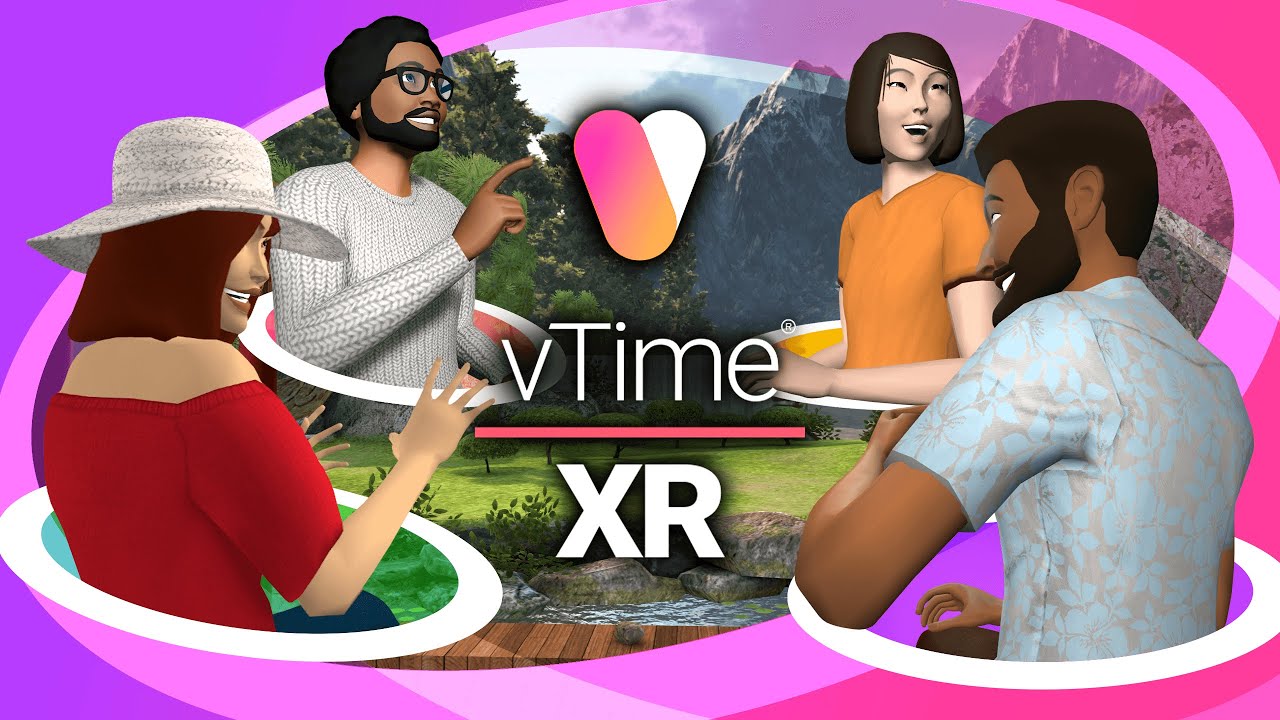
vTime XR was a cross-reality, cross-platform social networking app, built in Unity. It was the first virtual reality social networking app on a mobile platform, launched on GearVR in 2015. vTime XR was later released for a wide range of platforms, supporting VR devices such as Meta Quest, Oculus Rift, Windows Mixed Reality, Google Daydream, and Google Cardboard in addition to Augmented Reality and flat-screen offerings for Android and iOS.
Users could meet in virtual ‘Destinations’ (Environments), using voice-chat to communicate, personalise their avatars with a variety of outfits and other customisation options, and share images or watch content together.
As Technical Director at vTime, I oversaw the release of vTime XR on several major platforms.
Key Contributions
Platform & Native Support
Given the range of target platforms and devices supported by vTime XR, there was a significant amount of platform-specific work to carry out in order to ensure feature parity across all devices.
Certain features required the development of native libraries and plugins, in order to add capabilities which were not supported directly by Unity. For example, certain peripherals (e.g. Apple AirPods) were not fully supported by Unity and required specific native work.
In addition to various platform-specific features and capabilities, a suite of C/C++ libraries was maintained in order to provide greater native performance for image processing, audio compression / decompression, and encryption.
Build & Deploy Pipeline
vTime XR was released for a wide variety of platforms, requiring extensive QA checks and synchronised deployment across multiple storefronts.
I expanded on the existing build pipeline to support additional platforms and build types, ensuring that all stakeholders could retrieve an appropriate build as required.
Automated deployments ensured that developers, QA, and external partners could easily review changes and new features prior to publishing.
Dynamic destinations required a comprehensive content pipeline, allowing artists to make changes and deploy updated content to content servers.
Audio Tooling
Working closely with the audio engineer, I designed and built custom audio tooling which expanded the default audio tools within Unity and allowed for much more immersive, expressive audio capabilities using DTS:X audio.
Networking & Sync
vTime XR used a custom networking solution which featured geographic load balancing to maintain stability and performance, and relay servers to facilitate peer connectivity.
vTime XR’s destinations frequently featured animations and events which may trigger during a session. Custom networking and design tooling was implemented in order to ensure that users could enjoy a shared, reliably synchronised experience together.
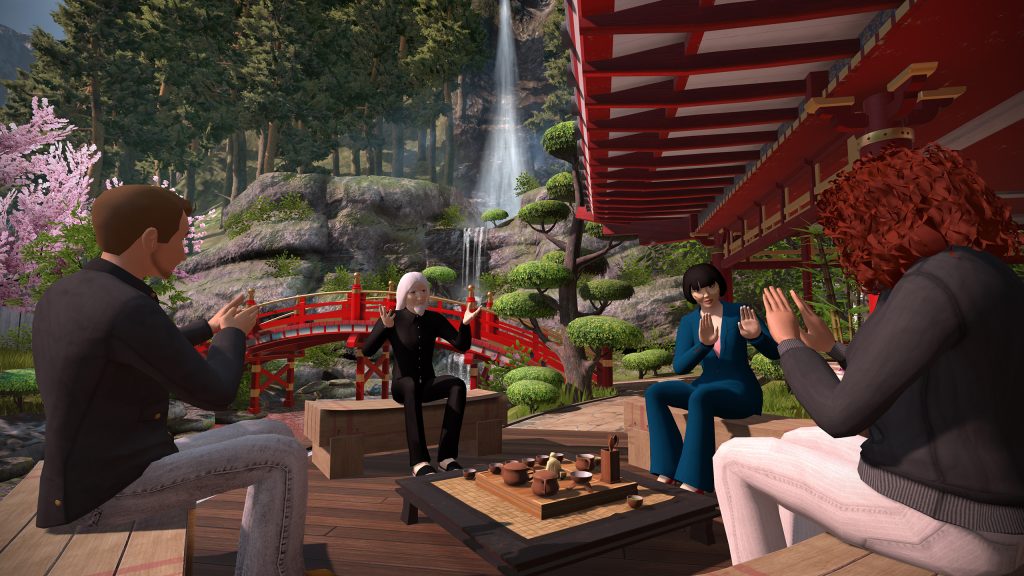
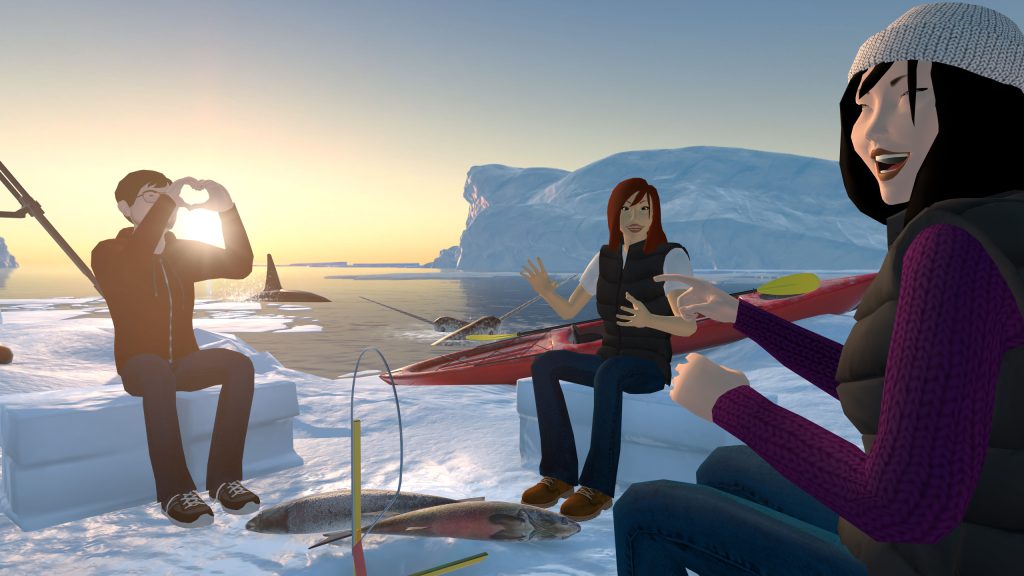
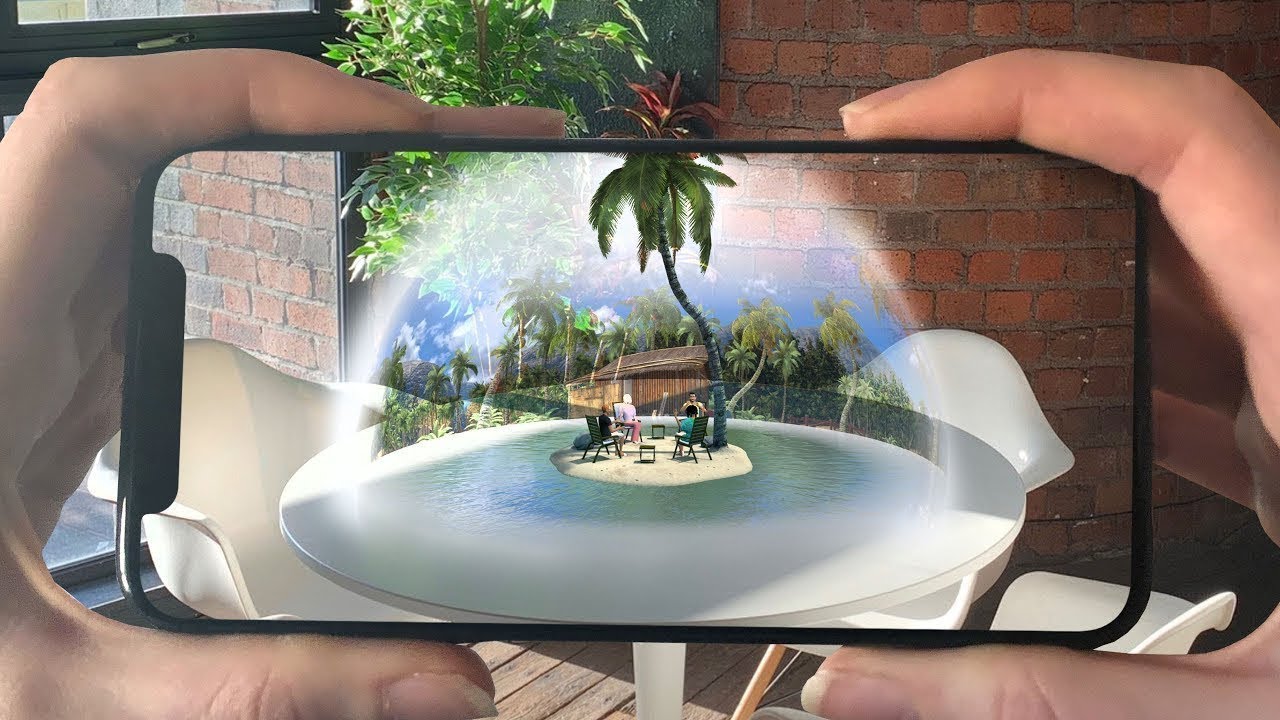
vTime XR was sadly retired in October 2025 after a decade of continuous usage and development. A highly publicised Unity vulnerability had surfaced, and patching the application across all affected platforms was unfortunately not a viable option. A significant proportion of the original vTime XR development team – including myself – had also shifted focus to other areas, including vTime’s games division, which built and released Border Bots VR.
Let’s Work Together!
Get In Touch
Reach out via the contact form below or on social media, and let’s see what we can build together.